









The Secret to Perfect Lash Layering: Thickness, Length, and Curl Combinations
Lash layering is often talked about as a technical skill — but in real practice, it’s primarily a visual one. Before choosing diameters, lengths, or curls, professional artists first learn how to see natural lash layers. Without that foundation, even the best products and maps won’t produce clean, stable results.
This guide focuses on lash layering techniques as they’re actually used in the studio, explaining how to layer lashes in a way that supports structure, style, and retention — not theory for theory’s sake.
Understanding Natural Lash Layers (Before You Place Anything)
In professional lash extension layering, thickness is not the first decision. Layering starts with perception, not tools.
Every client has a different number of natural lash layers. No two eyes are the same — and that’s why rigid rules fail in real practice.
For functional work, artists group natural lashes into three working zones:
- Top layer – the visible lash line that defines the final shape
- Mid layer – a flexible zone that may contain multiple actual layers
- Bottom layer – the shortest, youngest lashes
The mid layer is variable. Some clients have very few natural layers; others have many. This layer expands or compresses depending on the client’s growth pattern, which is why learning to identify layers visually is the true foundation of lash layering.
Thickness choices come after this step and are guided by natural lash health — not by layer position. This distinction is critical in any accurate lash thickness guide.
Length: Layering Is Style-Driven, Not Rule-Driven
Length placement is where many artists get stuck in theory. In reality, lash length mapping changes entirely based on the style being created — there is no universal hierarchy.
Layering works because length is used strategically, not systematically.
For example:
Russian Volume
The goal is a perfectly controlled, clean top line.
→ Artists often apply shorter lengths on upper layers to prevent excessive height and maintain structure.
American Volume
The goal is texture and visible dimension.
→ Artists may apply shorter lengths on lower layers, allowing longer lashes above to create separation and movement.
This is why effective lash extension layering depends on understanding the style outcome first, then adapting length placement accordingly.
Practical Layering Tip
Avoid placing your longest lengths on the lowest natural lash layer. This creates heaviness, drooping, and poor grow-out. Thoughtful length transitions across layers are what maintain structure over time.
Curl: A Style Tool, Not a Layering Rule
Traditional explanations of lash curl combinations often present curl mixing as a standard layering technique. In modern lash artistry, this is no longer the norm.
Curl mixing today is:
- Rare
- Style-specific
- Used intentionally, not routinely
For example, in certain textured or airy styles:
- A stronger curl may be used in lower layers
- A softer curl may be used on the top layer
However, even this approach is becoming less common as product technology improves. Most contemporary layered sets rely more on texture, separation, and placement than on systematic curl changes.
Understanding curl as a styling decision — rather than a layering requirement — is key to accurate, modern lash layering techniques.
Common Lash Layering Mistakes (From Real Studio Work)
Some layering mistakes genuinely affect structure and retention:
Using the Same Length on Every Layer
This creates a flat, heavy look with no depth.
Applying Long Lashes on the Bottom Natural Layer
This leads to drooping, instability, and poor grow-out.
These are the issues artists encounter most often when learning how to layer lashes effectively.
Mistakes like “curl imbalance between layers” or “changing diameter per layer” are largely theoretical and don’t reflect how experienced artists actually work — which is why they’re no longer emphasized in modern training.
Why Certain Lash Materials Support Better Layering
Once layers are understood visually, material choice becomes the support system for good layering.
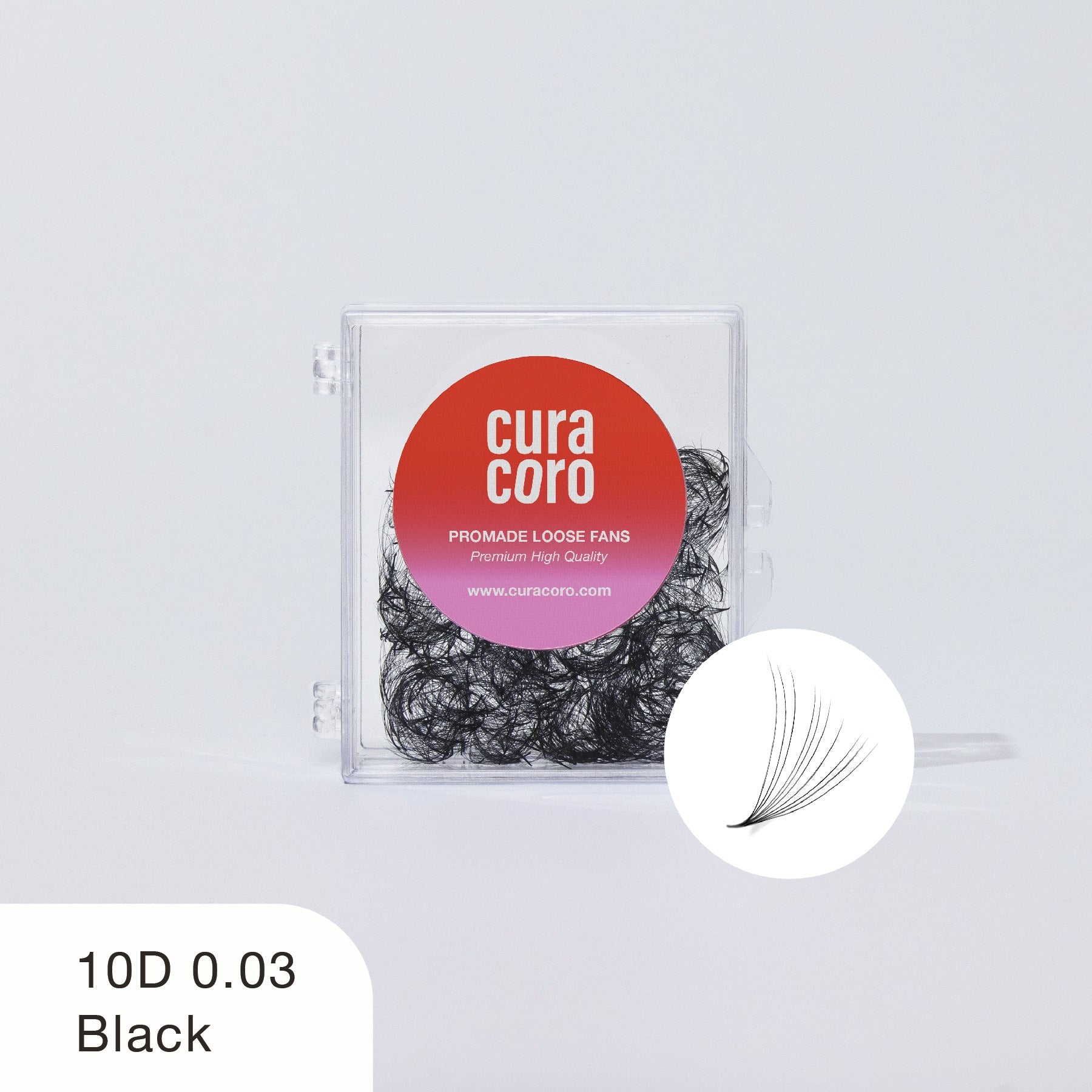
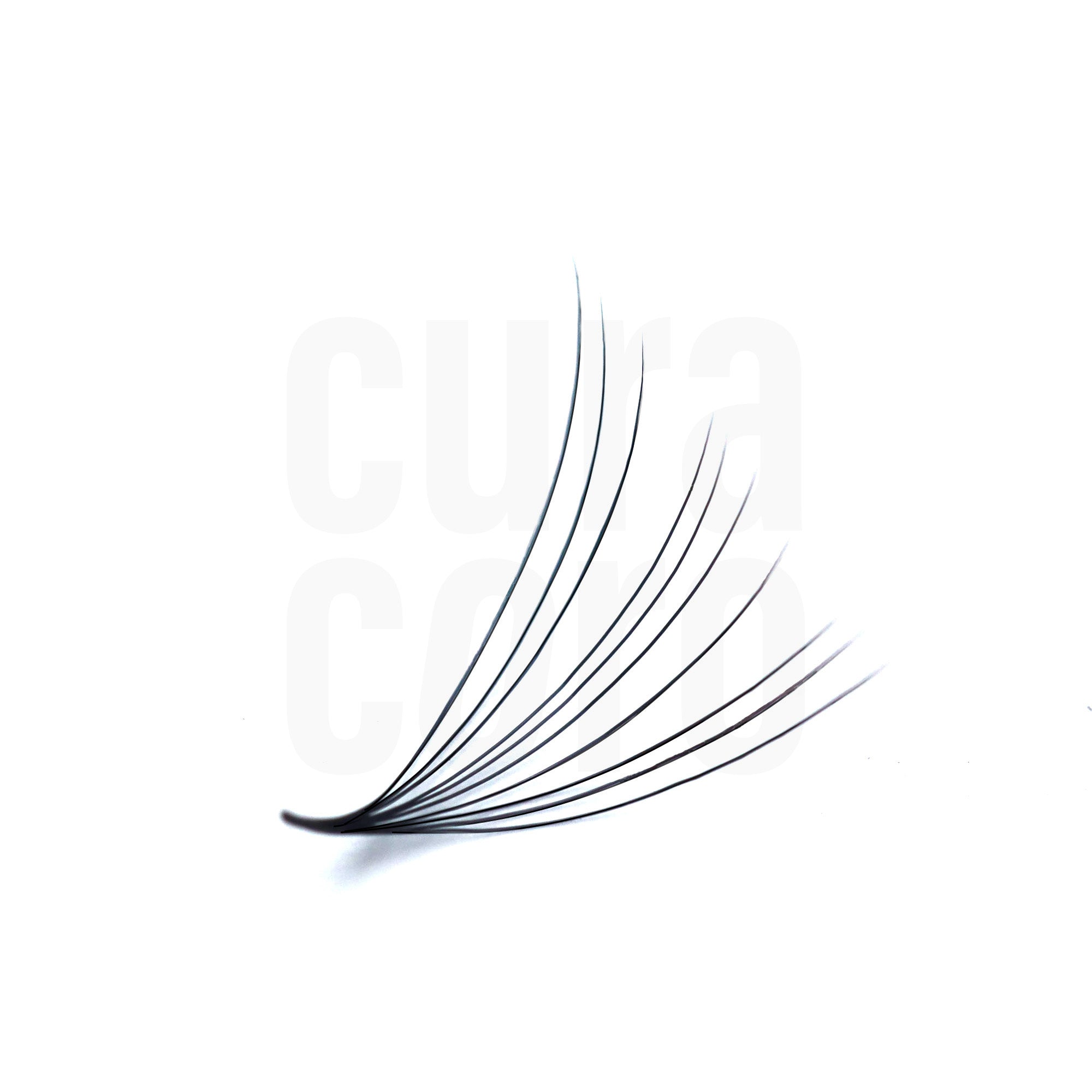
For example, Camellia lashes naturally contain multiple lengths within one fan or spike. This built-in variation:
- Creates depth without complex maps
- Enhances separation between layers
- Amplifies dimension when layered correctly
Because the variation already exists within the lash design, artists don’t need to constantly change length, curl, or diameter. This aligns perfectly with modern lash layering techniques, where efficiency and consistency matter.
Choosing materials that support structure reduces over-manipulation and leads to cleaner results.
Final Thoughts
Perfect lash layering isn’t about constantly changing tools — it’s about understanding what you’re seeing. When artists learn to identify natural lash layers, adapt lash length mapping to the style being created, and use lash curl combinations intentionally (not automatically), their work becomes cleaner, lighter, and more stable.
A strong lash thickness guide supports lash health, not layer placement. And when layering is approached as a visual skill rather than a formula, lash extension layering becomes intuitive instead of complicated.
That’s the real secret behind professional-level layering.
Recent Blog Posts

Claim Your USD $200 Arabian Lash Class Seat, Free with Curacoro
Lash artists, this is the one you've been waiting for! From now until October 15, spend $500+ on Curacoro products (before tax) and score a FREE...

Which Lash Curl is Best? The Difference Between C, CC, D, and LC Lashes
Choosing the right curl is one of the most important decisions in lash design, yet it’s often misunderstood. Many artists focus on length and thickness...

The Korean Lash Lift: Why Everyone Is Talking About It in 2026
Lash lifts have been popular for years, but a new technique is quickly becoming the industry favorite: the Korean lash lift. Unlike traditional lifts that...